

Does Oklahoma Deserve To Kill?
In a state that leads the nation in executions, a quiet death forces a loud question.

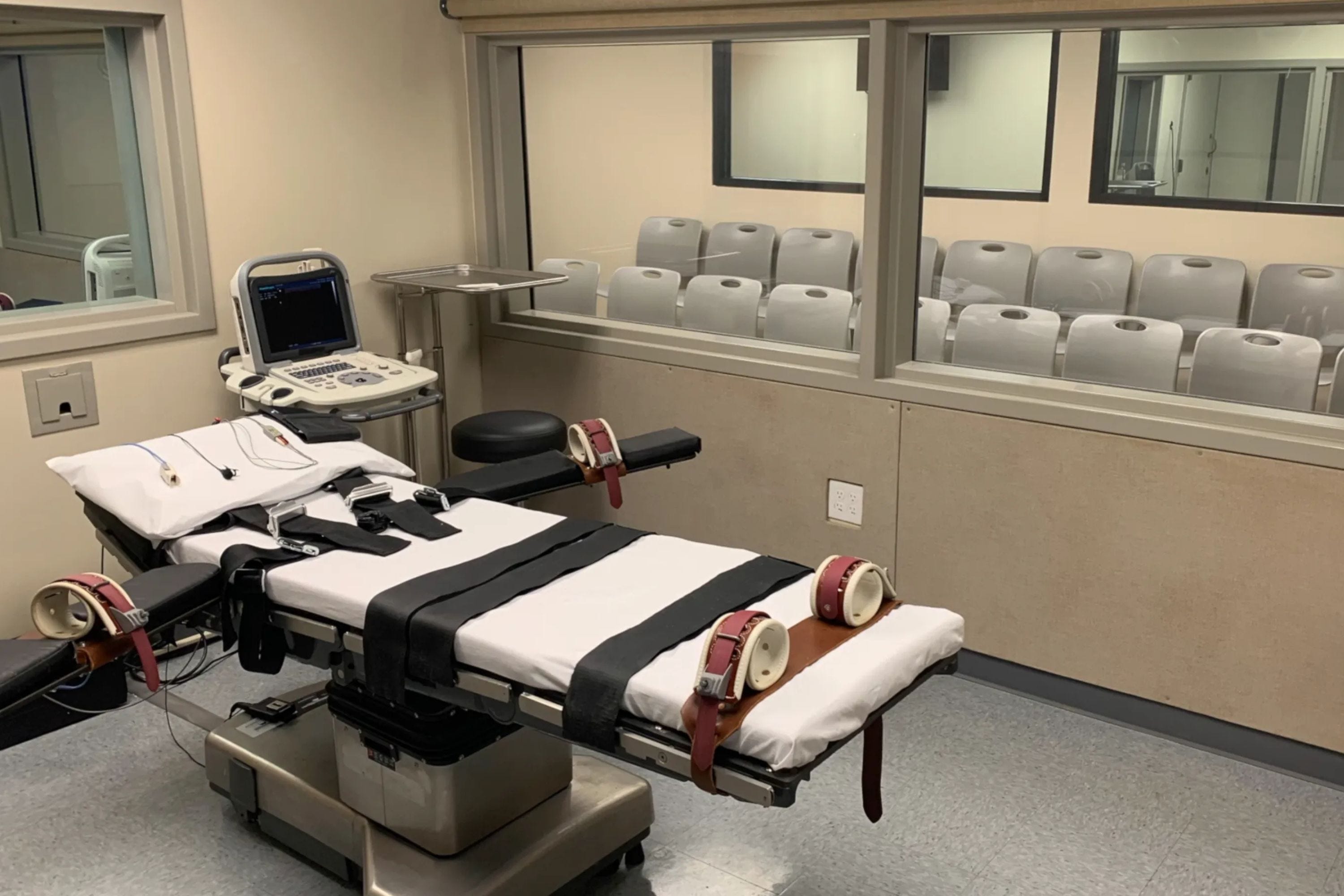
On Thursday, Feb. 12, the government of Oklahoma executed Kendrick Simpson in a taxpayer-funded killing that received little attention compared to previous high-profile cases.
Sentenced to death for the drive-by killings of 19-year-old Glen Palmer and 20-year-old Anthony Jones outside a nightclub in Oklahoma City, he failed to garner the level of empathy shown to some death row detainees.
In November 2025, Gov. Stitt spared Tremane Wood from the death penalty moments before a lethal injection was set to enter his veins. Unlike in Wood’s case, there was no doubt as to whether Kendrick Simpson committed the act. In November 2021, Gov. Stitt spared Julius Jones from death hours before his planned execution. Unlike in Jones’ case, there weren’t millions of people around the country supporting Simpson’s innocence.
Lastly, in February 2025, the U.S. Supreme Court spared Richard Glossip from the death penalty in a 5-3 ruling. Unlike in Glossip’s case, there wasn’t widespread evidence of prosecutorial misconduct against Simpson.
Aside from a vigil outside the Governor’s Mansion, there was no visible protest of Simpson’s execution. His drive-by murder was well-documented. There wasn’t a case of racial bias, as both the victims and Simpson were Black. The Pardon and Parole Board denied recommending him clemency. Simpson apologized for his crime during his clemency hearing, but one of the victim’s sisters told News 9 his execution was “justice served.”
Nevertheless, he was unarmed and noncombatant when the government of Oklahoma used taxpayer funds to forcibly end his life.
As Americans tasked with the duty of upholding democracy, the practice of executing human beings represents a stark contrast from other democratic countries that have outlawed the practice. The question is often asked whether a person deserves to die, instead of asking whether the government deserves to kill.
Oklahomans Support Death, But Cracks Growing
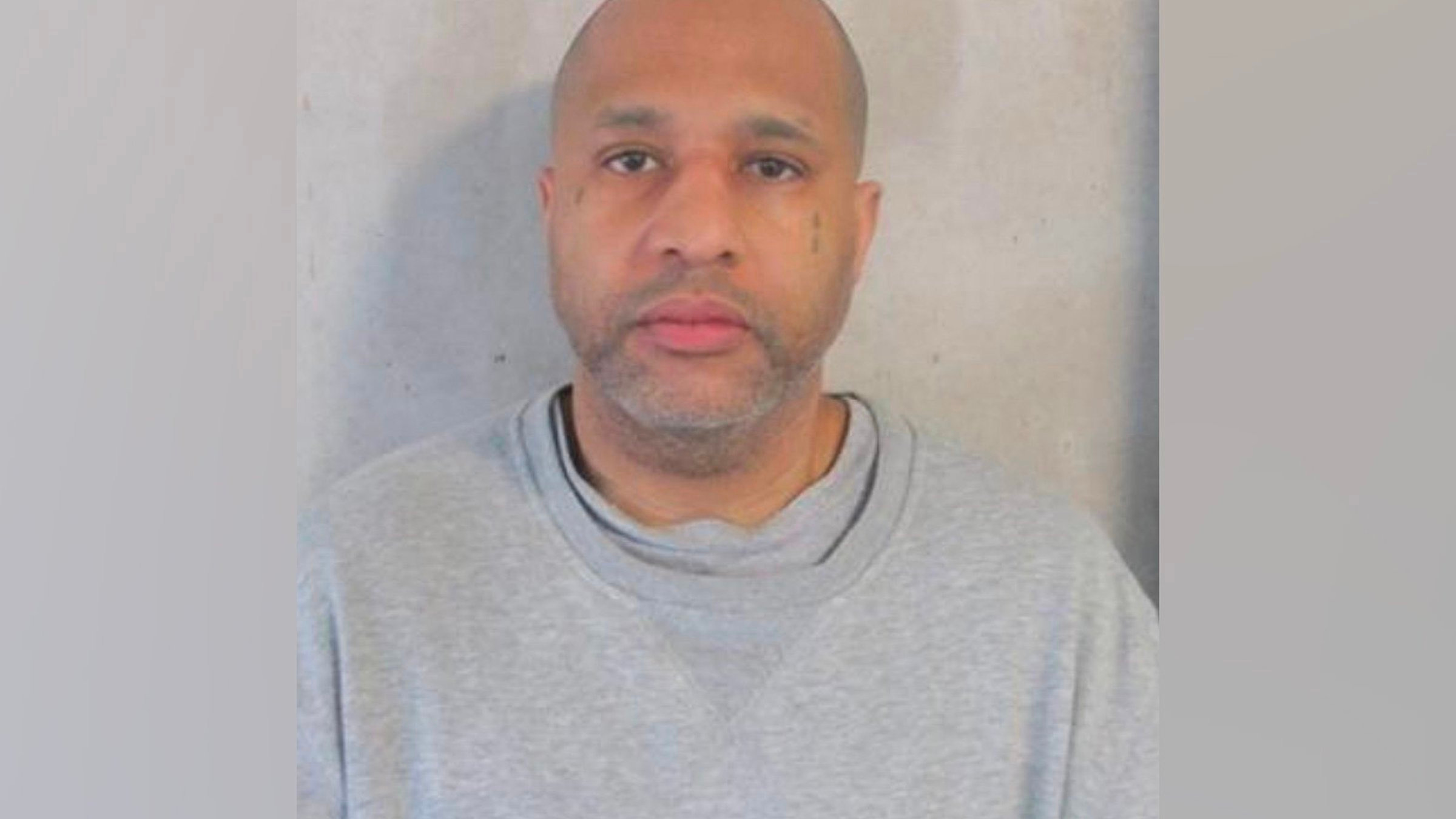
Oklahoma carries out more executions per capita than any other state in the nation, including Texas, according to data from the Death Penalty Information Center. In 2016, over 66% of Oklahoma voters passed a bill enshrining the death penalty in the state’s constitution.
That same year, after a series of botched executions against two Black men in cases described as cruel and unusual, a poll captured something else from Oklahomans.
“About 53 percent said they’d be willing to see the state do away with capital punishment if those who would typically be sentenced to death were instead given life sentences without the possibility of parole, forfeited all property and were ordered to pay mandatory restitution to victims’ families for the rest of their lives,” according to SoonerPoll.
A growing number of Republican and Democratic lawmakers at the state Capitol have expressed support for placing a moratorium, or pause, on executions in Oklahoma. For years, reports have confirmed that the state’s use of the death penalty is arbitrary, racially biased, costly and doesn’t deter crime.
Last year Oklahoma state Sen. Dave Rader (R-Tulsa) and state Rep. Suzanne Schreiber (D-Tulsa) introduced Senate Bill 601, which would pause executions. It passed out of a committee but failed to reach a full vote in the Senate. Rader introduced it again this year. On top of pausing executions through June 2028, the bill would establish a task force to study and report on reforms to the death penalty system.
For Kendrick Simpson, it’s too late. The state attorney general described him as a monster deserving of death, but for anti-death penalty advocates, he was a human being who grew up in a home filled with violence, addiction and neglect.
“He is not a monster, and I know he is very remorseful for that event, and he holds the families of those two people that he killed in his heart every day,” Sue Hosch with Oklahoma Coalition Against the Death Penalty (OK-CADP) told In Depth With Deon. “I think it’s really important that we look at every single person on death row as a human being.”
As an advocate for life, Hosch has visited nearly every Oklahoma death row prisoner. “The fact that the death penalty is allowed means that the sanctity of life in the United States is not what it is other places in the world, and certainly not what it is morally in many of our religions and cultures,” she said.
Oklahoma An Outlier Among World Nations
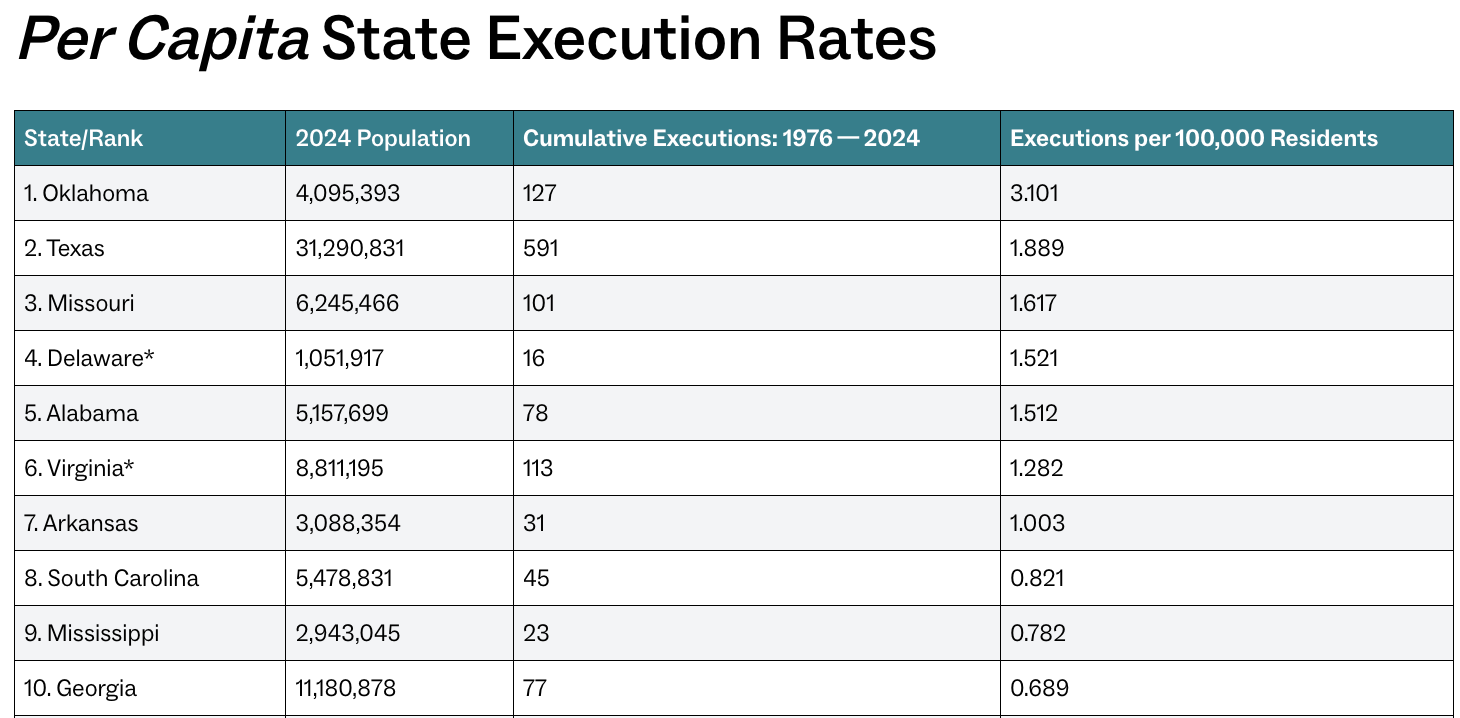
Despite being a state within a democratic nation, Oklahoma’s rate of executions are more in line with dictatorships than democracies. Only about a third of countries around the world allow or use the death penalty, according to data from Amnesty International. Every single country in Europe has abolished the death penalty, except Belarus, and the USA remains the only country in the Americas to actively use the death penalty.
With 24 executions carried out in 2023, the U.S. ranked 5th in the world behind only China (1,000s), Iran (853+), Saudi Arabia (172) and Somalia (38+). That year, Oklahoma carried out four executions, amounting to a sixth of all executions in the U.S. in 2023.
Nationally, a 2025 gallup poll showed support for the death penalty in the U.S. has gone to just above 50 percent. Only a few states make up for the majority of executions, said Laura Porter, executive director for the U.S. Campaign to End the Death Penalty.
“The most telling sign is that the age group of 18 to 54, a majority does not support the death penalty. So I feel like we are on this trajectory, but we have these kinds of last gas pushes to kill people, to try to entrench the death penalty, and to go backwards,” Porter told In Depth With Deon.
Racist Origins
Some experts say U.S. support for the death penalty can be traced back to racial terror lynchings against Black people. Over 6,500 lynchings occurred throughout the South between 1877 and 1950, according to the Equal Justice Initiative.
As mob lynchings declined in the 20th century, government-sanctioned executions increased, says Furonda Brasfield, director of leadership development at the U.S. Campaign to End the Death Penalty.
“They would accuse somebody of something, arrest them, have the trial and the execution all in one day,” Brasfield told In Depth With Deon. “The government took on the function of execution in a way to sanitize and kind of shield the racial terror that was being perpetrated against formerly enslaved Africans and the descendants of enslaved Africans.”
No more executions are currently scheduled for Oklahoma in 2026, but over two dozen people remain on the state’s death row.
Nationally, 15 more executions are scheduled for 2026, including in Alabama, where the state plans to execute Charles Burton on March 12 even though the state acknowledges he didn’t pull any trigger and wasn’t at the scene of the shooting death.
As Oklahoma’s legislative session moves forward, the upcoming vote to either approve or reject a pause on executions could send a ripple effect to other states around the country.
Help build a platform that amplifies the voices and stories that too often go unheard.